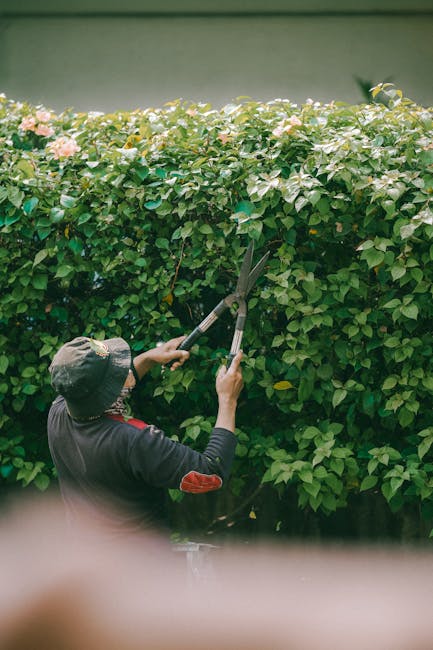
Real cost of hiring Cricklewood gardeners per hour and per job

If you are trying to budget for garden help, the big question is rarely whether to hire a gardener - it is what the real cost of hiring Cricklewood gardeners per hour and per job actually looks like once the work, travel, equipment, and tidy-up are all counted in. A quick mow can feel cheap until it turns into a half-day of pruning, weeding, and waste removal. On the other hand, a fixed-price quote can look higher at first glance, yet end up being better value. Let's unpack the numbers in plain English so you can compare properly and avoid the classic "that was more than I expected" moment.
You will find practical pricing guidance, the job types that usually cost more or less, what affects the final bill, and how to judge whether a quote is fair. We will also touch on a few common mistakes people make when booking garden work in London homes. Nothing too fancy. Just the sort of detail that helps you make a calm decision.
Why Real cost of hiring Cricklewood gardeners per hour and per job Matters
Budgeting for garden work is not just about saving a few pounds. It affects the whole way you plan upkeep, seasonal jobs, and even bigger projects like hedge reshaping or a tired lawn recovery. In Cricklewood, where gardens can range from compact urban spaces to larger family plots, cost can swing quite a bit depending on access, waste, and how overgrown things have become.
Why does this matter so much? Because garden pricing is often less about the headline hourly rate and more about what gets achieved in that hour. A gardener working in a small, tidy front garden may get through a lot more than someone battling brambles in a damp rear yard with limited access. Same hour. Very different value. That is why quoting per job can sometimes make more sense than per hour, especially for recurring tasks or clearly defined work.
There is also the trust factor. People want a fair price, but they also want to know that the person coming to their property understands what they are doing, works safely, and leaves the space neat. If you are comparing a few quotes, the real cost should help you see the difference between cheap and actually good value. To be fair, they are not always the same thing.
Expert summary: The real price is not only the rate on paper. It is the rate plus time, complexity, equipment, clearance, and whether the job is tidy, safe, and finished properly.
If you are still shaping your overall garden plan, a few related resources can also help. For example, garden maintenance is usually the best starting point for ongoing care, while lawn care and lawn mowing are often priced differently from heavier, one-off work. That distinction matters more than many homeowners realise.
How Real cost of hiring Cricklewood gardeners per hour and per job Works
Most gardeners price work in one of three ways: hourly, half-day or full-day, or fixed per job. Each approach has its place, and each can be the right answer depending on the task.
Hourly pricing
Hourly pricing is straightforward. You pay for time spent on the job, often with a minimum booking window. This can work well for general tidying, planting, light weeding, deadheading, or a garden refresh where the scope is not fully clear at the start. It is flexible, which is useful if you have a garden that changes week to week.
But hourly pricing has a small catch: you need to know what is included. Does the rate include loading waste? Travel? Basic tools? Fuel? If not, the final bill can creep up. Nothing mysterious, just details that should be asked upfront.
Per-job pricing
Per-job pricing gives you a defined cost for a defined outcome. For example, hedge trimming, patio cleaning, fence work, turf-related jobs, or a one-off garden clearance may be easier to quote this way. The advantage is certainty. You know the number before the work begins, which makes budgeting much easier.
The downside is that fixed prices depend on the job being described accurately. If the garden is more overgrown than expected, or access is awkward, the quote may need adjusting. That is normal. A fair quote is based on fair information.
What usually changes the price
- Garden size and layout
- Level of overgrowth or neglect
- Type of work required
- Access to front and rear garden areas
- Amount of green waste or rubbish to remove
- Whether specialist tools are needed
- Frequency of visits: one-off or regular
- Time of year, since spring and autumn often bring heavier demand
In practical terms, a small tidy-up can be relatively quick. A neglected back garden with weeds, moss, overhanging growth and heavy waste is a different story altogether. You can usually hear the difference in the work too - the snip-snip of light pruning versus the more deliberate pace of clearing something that has got on top of itself. We have all seen those gardens.
Key Benefits and Practical Advantages
Hiring a gardener is not just about saving your own weekend. Done properly, it can protect plant health, improve kerb appeal, reduce trip hazards, and keep maintenance from snowballing into bigger repairs.
- Clearer budgeting: Per-job quotes help you plan with fewer surprises.
- Better time savings: A skilled gardener often completes in a fraction of the time it would take a homeowner.
- More consistent results: Regular care stops small issues from becoming bigger ones.
- Improved safety: Proper handling of tools, ladders, and waste reduces risk.
- Higher garden value: A neat, healthy garden is easier to enjoy and easier to maintain.
There is also a quieter benefit: peace of mind. When a garden looks messy, people tend to put off using it. Once it is tidy again, you notice the space differently. A clean border, a mown lawn, a fresh hedge line - suddenly it feels usable. Even a small garden can feel bigger when it is under control.
For homeowners trying to keep costs sensible, pairing a few one-off tasks with a maintenance plan is often the sweet spot. A regular visit can reduce the need for dramatic clean-ups later. If that sounds like your situation, the service page for gardening services is a useful place to understand the broader scope of what can be bundled together.
Who This Is For and When It Makes Sense
Not every garden needs the same kind of help. The real cost of hiring Cricklewood gardeners per hour and per job depends partly on what type of client you are and how often you need support.
Homeowners with limited time
If your weekends disappear before you have touched the secateurs, hourly or regular maintenance can be a very sensible spend. The value is in consistency. A tidy hour every few weeks often beats one very long rescue job in late summer.
Landlords and letting agents
For rental properties, appearance matters. Tenants notice whether the garden has been left to run wild, and so do prospective tenants. Fixed-price clearance or maintenance can make sense where you need a reliable, repeatable standard before viewings or check-ins.
Older homeowners or anyone avoiding physical strain
Let's face it, some jobs are tougher than they look. Digging, hedge cutting, lifting waste, and kneeling for long periods can be hard on knees, backs, and shoulders. Paying for help can be a practical health choice, not a luxury.
Busy families
If the garden is mainly a place for play, pets, barbecues, or just a bit of fresh air, cost becomes about keeping it safe and usable. That is where recurring visits often beat occasional big jobs.
People with problem gardens
Overgrown ivy, weedy paving, wind damage, shaded corners, patchy grass, or a neglected border can all need more specialist attention. In those cases, it pays to choose a gardener who can judge the work properly rather than just quote a low hourly figure and hope for the best.
If your garden has got out of hand, you may also find turning a neglected garden into a flourishing retreat a useful read for planning the first steps back to normal.
Step-by-Step Guidance
If you want the most accurate price and the least hassle, the process should be simple and structured. A good quote usually starts with a clear description of the work. Here is a practical way to approach it.
- List the tasks clearly. Separate mowing, edging, hedge trimming, weeding, pruning, clearance, and waste removal.
- Measure the space roughly. Even a ballpark idea helps, especially for larger lawns or long boundaries.
- Note the condition. Is the garden tidy, partly maintained, or heavily overgrown?
- Flag access issues. Narrow side passages, shared entrances, or parking constraints can affect time on site.
- Ask what the price includes. Check labour, materials, green waste, and any extra disposal charges.
- Decide whether hourly or fixed works better. Defined jobs usually suit fixed pricing; variable clean-ups often do better hourly.
- Compare value, not just headline cost. The cheapest quote is not always the best if it excludes key items.
A quick example: if you need a border weeded, shrubs lightly pruned, and the lawn tidied, an hourly rate may be perfectly fair. If you need a full hedge reduction and a cleared patio, a fixed job price may be easier to manage. The wrong pricing model can make a fair job seem expensive, or an expensive job seem cheap. Bit of a trap, that.
Before the visit, it can also help to scan a few related topics like weed control tips and hedge trimming shapes and tactics if your job involves more than a simple tidy. That extra context makes it easier to ask better questions.
Expert Tips for Better Results
Small decisions often have the biggest impact on price. Here are a few things that tend to save money, or at least stop unnecessary costs creeping in.
- Book in clusters: Combine similar jobs in one visit, such as mowing, edging, and pruning.
- Describe the garden honestly: If a border is full of roots and old debris, say so. Surprises cost money.
- Keep regular intervals: A garden left for months usually takes longer to restore than to maintain.
- Ask whether waste removal is included: Green waste can change the price more than people expect.
- Use seasonal timing wisely: Autumn leaf drop and spring growth spurts can be busier periods.
Another useful tip: if you have specific plants or features, mention them. Hedges, climbers, pots, herbs, shaded areas, and delicate shrubs need different handling. A gardener who knows they are trimming around orchids, for example, will work differently from one who is simply clearing a boundary line. For plant-specific care, you may find thriving orchids tips or a lush herb garden guide handy if you keep those kinds of plants at home.
And one small, very human point: if the estimate feels vague, ask again. A good professional will not mind. A rushed quote is how misunderstandings happen. Nobody wants that.
Common Mistakes to Avoid
Most cost problems come from assumptions, not outright bad service. Here are the main ones to watch.
Assuming every gardener charges the same way
Some charge by the hour, some by the job, some by the day, and some offer package rates. If you compare them without understanding the format, the figures can be misleading.
Forgetting waste and disposal
Green waste is a real cost, especially after pruning or clearance work. Bags, loading, transport, and disposal all take time. If a quote does not mention it, ask.
Understating how overgrown the garden is
A "quick tidy" can become a much larger piece of work if the garden has been left for a few seasons. Honest photos help. So does honesty in general, which is refreshing in itself.
Choosing the cheapest hourly rate blindly
A lower rate is only cheaper if the gardener works efficiently and includes the essentials. A slightly higher rate can be better value if it brings more experience, better tools, and a more complete finish.
Not checking the scope
Always know whether the job is for one visit or ongoing care. A one-off reset and a maintenance visit are not the same thing, even if they take place in the same garden.
If your main issue is hedges, it is worth reading the dedicated hedge trimming in Cricklewood page, because hedge work often has its own pricing logic. Tall, thick, or awkward hedges can quickly push a job away from standard garden maintenance rates.
Tools, Resources and Recommendations
The right tools affect both speed and finish. A gardener with sharp secateurs, a reliable mower, a decent strimmer, and proper clearance gear will usually work more efficiently than someone improvising. That does not mean expensive tools automatically mean better service, but it does matter when the job is technical or heavy.
If you are interested in what professionals tend to rely on, the article on top gardening tools for every enthusiast's kit gives a useful feel for the basics. For smaller gardens or container-heavy spaces, growing plants in pots can also reduce long-term maintenance costs. Less weeding, less sprawl, fewer headaches. Simple, really.
Other helpful resources on the same site include:
- affordable low-maintenance garden solutions
- ground cover plant ideas
- severe weather protection tips
- winter plant care guidance
For homeowners planning bigger changes, services like landscaping, decking services, patio cleaning, and fencing can sit outside normal garden maintenance pricing. That matters because a basic gardener is not always the right fit for structural or surface-heavy work.
Law, Compliance, Standards, or Best Practice
Garden work is not heavily regulated in the way some trades are, but there are still sensible standards to follow. Safety, insurance, and responsible waste handling are the big ones. If someone is using powered tools, climbing for hedge work, or moving heavy cuttings, they should be working in a way that reduces risk to themselves and your property.
It is also reasonable to ask about public liability cover, safe working methods, and how waste is managed. A professional outfit should be comfortable explaining that. For peace of mind, you can review information on insurance and safety and the health and safety policy before booking any larger job. That is not being fussy. It is just sensible.
Best practice also includes clear pricing terms, respectful communication, and handling complaints properly if something goes wrong. The pages on pricing and quotes, terms and conditions, and complaints procedure can help set expectations. In a service business, clarity is a kindness.
Options, Methods, or Comparison Table
Here is a simple comparison of the most common pricing approaches and when they tend to work best.
| Pricing method | Best for | Pros | Watch-outs |
|---|---|---|---|
| Hourly rate | General tidying, flexible tasks, mixed jobs | Flexible, easy to start, useful when scope is unclear | Final cost can rise if the garden is more involved than expected |
| Fixed per job | Clear tasks like hedge trimming, clearance, patio cleaning | Budget certainty, easier comparison, good for defined outcomes | Needs accurate job description and may change if conditions differ |
| Half-day / full-day | Larger jobs, overgrown gardens, multiple tasks | Efficient for bigger work, less fuss over the clock | Not ideal if you only need a quick visit |
| Maintenance package | Regular lawn, borders, seasonal upkeep | Predictable spend, keeps costs from building up | Less suitable for one-off rescue work |
The right option depends on your garden's condition and your tolerance for uncertainty. If you need strict budgeting, fixed job pricing or a package is often better. If the garden is unpredictable, hourly can be fairer for both sides. Neither is universally better. It is about fit.
Case Study or Real-World Example
Picture a typical Cricklewood back garden in late summer. The lawn is passable but patchy, the borders have weeds, a privet hedge wants attention, and the patio has a film of green in the shaded corner. Nothing dramatic. Just the sort of space that slowly slips down the list when life gets busy.
The homeowner asks for an hourly quote first. That seems sensible because the garden is not fully assessed. Once the visit happens, the gardener can see there is more work than expected around the hedge and the back edge of the border. In that case, the gardener might suggest a fixed job for the hedge trimming and patio clean, then a shorter maintenance visit for the lawn and weeding.
That split often gives better value than forcing everything into one pricing model. The homeowner gets clarity, the gardener gets a realistic scope, and the work is less likely to feel rushed. No drama. Just a cleaner garden and a better-fitting bill.
For this kind of mixed job, it can also help to read about wind problems in gardens if your space is exposed, or ideal garden seating ideas if the goal is to make the area actually usable again after the tidy-up.
Practical Checklist
Use this before requesting a quote or booking a visit.
- List every task you want done.
- Decide whether the job is one-off or recurring.
- Take a few photos of the garden from different angles.
- Note access restrictions, parking limits, or shared entrances.
- Ask whether waste removal is included.
- Check whether tools and materials are part of the price.
- Ask if the quote is hourly, fixed, or estimated.
- Compare like-for-like quotes only.
- Make sure the gardener understands any delicate plants or features.
- Confirm the date, timing, and what happens if the weather turns.
One small tip from experience: write the job down before you call. It saves time, and it usually gets you a cleaner quote. Very simple, but surprisingly effective.
Conclusion
The real cost of hiring Cricklewood gardeners per hour and per job is never just one number. It is a mix of time, garden condition, task type, waste, access, and the outcome you want at the end of the visit. Hourly pricing suits flexible or uncertain jobs. Fixed pricing suits clear, well-defined work. And regular maintenance often gives the best long-term value if you want to avoid expensive catch-up work later.
The smartest move is to compare quotes on scope, not just price. Ask what is included, what might change, and how the work will be completed. Once you do that, the decision becomes much easier. Less guesswork. More control. And a garden that feels worth stepping into again.
When you are ready to take the next step, review the service details, think through the job list, and choose the option that fits your garden rather than the one that just looks cheapest on paper.
Get a free quote today and see how much you can save.
Frequently Asked Questions
How much do Cricklewood gardeners charge per hour?
Hourly rates vary by the type of work, the size and condition of the garden, and whether waste removal or specialist tools are needed. The best way to judge value is to compare what the hourly rate includes, not just the number itself.
Is it cheaper to hire a gardener per hour or per job?
It depends on the task. Per hour can be cheaper for small, uncertain jobs, while per job is often better for clearly defined work like hedge trimming or patio cleaning. If the scope is fixed, a job price can be easier to budget for.
What makes a garden job cost more?
Overgrowth, awkward access, waste removal, specialist equipment, and urgent timing are the main cost drivers. A garden that has been left for a long time will almost always cost more than routine maintenance.
Do gardeners include waste disposal in the price?
Sometimes yes, sometimes no. You should always ask. Waste removal can add cost, especially after pruning or clearance work, so it is worth confirming before the job starts.
Should I choose a fixed quote or an hourly rate?
Use a fixed quote when the job is clear and easy to describe. Use hourly pricing when the work is variable or hard to estimate. If you are not sure, ask for both options and compare them side by side.
How can I avoid paying more than I need to?
Be specific about the work, send photos, and combine related tasks into one visit where possible. Regular maintenance also reduces the chance of paying for a full tidy-up later on.
Do small gardens cost less to maintain?
Usually yes, but not always. A small garden can still cost a fair amount if it is badly overgrown, difficult to access, or full of detailed planting that needs careful handling.
Is a cheap gardener always a bad choice?
Not necessarily. But the cheapest quote may leave out waste removal, tools, or proper finish quality. Compare the scope carefully before deciding.
What should be included in a good gardening quote?
A clear description of the tasks, whether pricing is hourly or fixed, what waste handling includes, and any conditions that might affect the final price. Transparency matters more than fancy wording.
How often should I book garden maintenance to keep costs down?
For many homes, regular visits every few weeks or monthly are cheaper over time than occasional big clear-ups. The exact frequency depends on growth rate, season, and how much you use the garden.
Are hedge trimming and lawn mowing priced differently?
Yes, they often are. Lawn mowing is usually more routine, while hedge trimming may take more time, skill, and equipment. Some hedges also involve height, shape, and waste disposal considerations.
Where can I learn more before booking?
It helps to look through service pages such as about us, payment and security, and gardening services so you know what to expect before requesting a quote.