Hedge Trimming in Cricklewood: Keeping Local Gardens Neat, Healthy, and Beautiful
Hedge trimming in Cricklewood is more than a routine outdoor task; it is one of the most effective ways to keep a garden looking tidy, private, and well cared for throughout the year. In a busy London neighbourhood like Cricklewood, hedges do a lot of work. They define boundaries, soften property lines, reduce noise, improve kerb appeal, and create a greener, calmer feel in both front and rear gardens. When they are trimmed properly, they enhance the whole property. When they are neglected, they quickly become overgrown, uneven, and difficult to manage.
Many homeowners and landlords in Cricklewood look for hedge trimming because they want reliable upkeep that suits the local climate, the style of their property, and the pace of urban living. Whether the hedge is part of a compact front garden, a long boundary line, or a mixed planting design, regular hedge trimming helps maintain structure and promotes strong, healthy growth. It is also a practical way to prevent branches from spreading into pathways, driveways, and neighbouring spaces.
Professional hedge trimming in Cricklewood is often preferred because it combines precision, safe handling, and seasonal knowledge. Different hedge species respond differently to cutting, and the timing of trimming can affect density, flowering, and recovery. A well-executed trim supports the plant’s long-term health while keeping its shape balanced and attractive. That combination of appearance and plant care is what makes hedge maintenance so valuable.
Why Hedge Trimming Matters in Cricklewood
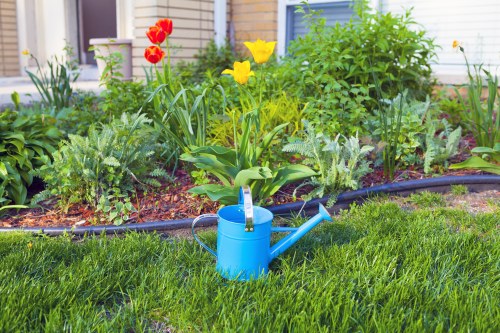
Cricklewood has a mix of residential streets, family homes, rental properties, and commercial spaces, each with different landscaping needs. Hedges often form the first visual impression of a property, and neat edges can instantly improve how a home feels from the street. Regular hedge trimming in Cricklewood supports that polished look while also helping hedges grow in a denser and more controlled way.
Another important reason to keep on top of hedge trimming is safety and accessibility. Overgrown hedges can narrow footpaths, block views from driveways, and interfere with gates, windows, and outdoor lighting. In busy neighbourhoods, this can become more than a visual issue. Proper trimming helps maintain clear access, better visibility, and a more usable garden space.
There is also a practical maintenance benefit. Hedges that are trimmed on schedule are easier to manage over time, because the work is done in smaller, more controlled stages rather than as a major recovery job after long neglect. This usually means healthier plants, cleaner lines, and less disruptive maintenance overall. Well-timed hedge trimming in Cricklewood saves effort later.
Common Hedge Types Found in Cricklewood
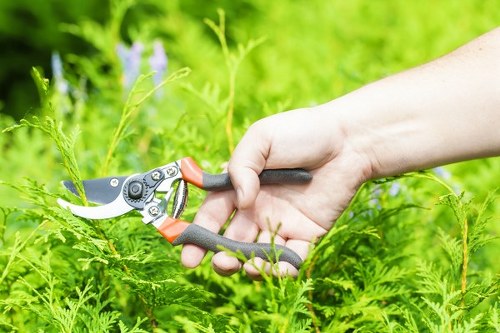
Different hedge varieties respond differently to cutting, which is why local knowledge matters. In Cricklewood gardens, some of the most common hedges include privet, laurel, yew, beech, box, and leylandii. Each one has its own growth pattern, thickness, and preferred trimming schedule. Understanding these differences helps ensure the hedge stays healthy and attractive.
Privet hedges are popular because they grow quickly and can be shaped neatly. Laurel hedges offer dense coverage and broad leaves, but they need careful trimming to avoid uneven edges. Yew hedges are slower growing and often valued for their elegant appearance, making them suitable for more formal garden layouts. Beech hedges provide seasonal interest and attractive foliage colour changes.
Leylandii, meanwhile, is often chosen for privacy and screening, but it can grow rapidly and become difficult to control if left too long. This makes consistent hedge trimming especially important. A professional approach helps manage height, width, and density without stressing the plant unnecessarily. The right trimming method depends on the hedge species, not just its size.
Benefits of Regular Hedge Trimming
Healthier Growth and Better Structure

One of the biggest benefits of hedge trimming is stronger, healthier growth. Trimming encourages the hedge to produce fresh shoots, which helps create a fuller shape and prevents the outer layers from becoming too dense or woody. This is especially important for hedges that have started to lose form or develop patchy sections.
Regular trimming also improves structure. Instead of growing in a wild or top-heavy way, the hedge keeps a more even outline. This is particularly useful in Cricklewood gardens where space can be limited and neat boundaries matter. A shaped hedge can make even a small outdoor area feel more organised and intentional.
There is also the matter of light and airflow. Overgrown hedges can trap moisture, reduce ventilation, and create shaded, damp conditions that are less favourable for healthy growth. Trimming opens the plant up slightly and helps it stay in better condition through changing seasons. This is a simple but important part of long-term hedge care.
Improved Kerb Appeal and Property Presentation

In a neighbourhood like Cricklewood, appearance matters. A tidy hedge can transform the front of a property, giving it a cared-for, welcoming feel. Whether you are a homeowner trying to maintain your garden or a landlord preparing a property for tenants, hedge trimming adds immediate visual value.
It is not just about looking neat. A well-kept hedge frames the rest of the garden and can make lawns, flowerbeds, paths, and driveways look cleaner by comparison. Even simple hedge trimming can make a large difference to how a garden is perceived. This is one reason hedge trimming in Cricklewood remains such a popular maintenance service.
For properties with road frontage, trimmed hedges also help create a more open and polished view from the street. That can be especially useful for those wanting to maintain a smart exterior without making major landscaping changes. Small improvements to hedge shape often have a surprisingly big impact.
When to Trim Hedges in Cricklewood
Seasonal Timing and Plant Protection

Timing matters when it comes to hedge trimming. In Cricklewood, the right schedule depends on the type of hedge, how fast it grows, and whether it is used mainly for privacy, decoration, or boundary control. Many hedges benefit from one or two trims a year, while faster-growing varieties may need more frequent attention during the growing season.
Generally, late spring and late summer are common periods for hedge maintenance, but this is not a one-size-fits-all rule. Some hedges can be trimmed more lightly to maintain shape without disturbing nesting wildlife or reducing flowering potential. Others may need a more structured cut to stay manageable. The most effective hedge trimming in Cricklewood takes the plant’s natural rhythm into account.
Weather conditions also matter. Trimming during very wet, frosty, or excessively hot periods can place added stress on a hedge. A careful approach allows the plant to recover more easily and reduces the risk of damage. Good timing supports both appearance and plant health.
Signs Your Hedge Needs Trimming
Many property owners are unsure when their hedge has moved from “slightly untidy” to “ready for trimming.” In practice, there are several clear signs to watch for. If the hedge is growing beyond its intended shape, blocking sunlight, or spilling into paths and driveways, it is likely due for attention. Uneven edges and thick, tangled growth are also strong indicators that hedge trimming is needed.
Another useful sign is a loss of definition. Hedges are often planted to create structure, but that structure disappears when they are left too long without maintenance. If the top becomes too wide, the sides bulge outward, or lower sections begin to thin out, trimming can help restore balance. In some cases, a hedge may also start affecting neighbouring properties or public walkways, making prompt action even more important.
Look for these common signs:
- Branches extending into pathways, driveways, or windows
- Loss of a clean, straight hedge line
- Patchy, uneven, or top-heavy growth
- Reduced light in the garden
- Difficulty seeing over or around the hedge
- General untidiness after a period of rapid growth
When these signs appear, hedge trimming in Cricklewood can quickly restore order and keep the landscape manageable.
Professional Hedge Trimming vs DIY
Some homeowners prefer to trim hedges themselves, especially if the hedge is small and easy to reach. Basic maintenance can certainly be done as part of regular garden care. However, as hedges become taller, denser, or more established, the task becomes more demanding. Achieving straight lines, smooth curves, and even reduction across all sides takes experience and the right equipment.
Professional hedge trimming offers several advantages. A trained gardener or landscaper can assess the hedge, choose the correct cutting technique, and avoid over-trimming. They can also work more efficiently on tall or awkward hedges, which reduces the risk of injury and poor results. In a location like Cricklewood, where gardens may be compact, shared, or close to buildings, precision matters even more.
There is also the question of finish. A hedge may be cut back, but that does not necessarily mean it will look neat. Professional hedge trimming in Cricklewood focuses on shape, symmetry, and the natural profile of the plant. That can make a big difference to the final result. For larger or more visible hedges, expert trimming is often worth the investment.
DIY May Suit:
- Small hedges at ground level
- Light shaping between professional visits
- Homeowners with time, tools, and confidence
Professional Help Is Best For:
- Large, tall, or thick hedges
- Uneven hedges that need reshaping
- Boundary hedges near fences, walls, or pavements
- Busy property owners who want reliable upkeep
What a Good Hedge Trimming Service Should Include
Not all hedge trimming services are the same. A good service should begin with an assessment of the hedge’s condition, size, species, and shape. This helps determine how much growth should be removed and whether the hedge needs light maintenance or more substantial reshaping. In Cricklewood, where gardens vary from compact urban plots to larger family spaces, a tailored approach is especially important.
The service should also include clean, even cutting, tidy waste removal, and attention to surrounding areas. A hedge trimming job is not just about cutting branches. It is about leaving the garden looking neat when the work is complete. Paths should be cleared, debris should be removed, and the hedge should be left with a deliberate shape that fits the property.
Some services also offer advice on future maintenance. That can be useful for homeowners who want to keep their hedges in good condition between visits. Clear communication, careful trimming, and a clean finish are signs of quality hedge maintenance.
Useful qualities to look for include:
- Experience with different hedge species
- Careful shaping and attention to detail
- Safe working practices
- Efficient clearance of cuttings
- Respect for surrounding plants and property features
Hedge Trimming and Garden Design
Hedges do more than mark boundaries. They can also shape the overall design of a garden. In Cricklewood, many properties use hedges to create privacy, soften hard edges, or frame seating areas and planting beds. A cleanly trimmed hedge can make the whole outdoor space feel more coordinated. It can also complement lawns, paving, and seasonal flowers by providing a consistent green backdrop.
For formal gardens, hedge trimming is essential because straight lines and geometric shapes depend on accuracy. For more informal spaces, trimming may be softer and less rigid, but the aim is still to keep the hedge controlled and visually appealing. Some gardens use mixed planting and layered borders, where hedge maintenance helps keep larger shrubs from overwhelming smaller plants.
Good hedge trimming supports the design of the whole garden, not just the hedge itself. When hedges are well maintained, they help create flow, balance, and a sense of order. That is one reason many residents choose to keep hedge trimming on a regular schedule rather than waiting until the hedge becomes difficult to manage.
Challenges Commonly Seen in Urban Hedge Maintenance
Hedge trimming in Cricklewood can come with a few urban-specific challenges. Limited access is one of the most common. Narrow side passages, parked cars, small gardens, and close neighbouring properties can make it harder to use equipment and move safely around the hedge. This is especially true for larger or taller hedges that require careful positioning.
Noise considerations may also matter in built-up areas. A professional approach often aims to complete the work efficiently and with minimal disturbance. Another challenge is boundary awareness. Hedges near fences, walls, and shared lines need careful trimming to avoid accidental damage and keep relationships between neighbours straightforward.
There can also be plant recovery concerns if a hedge has been neglected for a long time. Heavy cutting in one go is not always ideal, especially for older hedges. In these situations, staged trimming may be better than one severe reduction. Thoughtful planning is a major part of successful hedge maintenance.
How Regular Maintenance Saves Time and Money
It is easy to delay hedge trimming when a hedge still looks passable from a distance. But waiting too long often means more work later. Overgrown hedges take longer to reshape, produce more waste, and may need more corrective cutting. Regular hedge trimming in Cricklewood helps avoid those larger interventions by keeping growth under control from the start.
Ongoing maintenance can also reduce the chance of problems spreading into other parts of the garden. For example, when a hedge becomes too large, it may cast too much shade, compete with nearby plants, or obstruct access to other maintenance tasks. Keeping the hedge in check supports the rest of the landscape as well. That makes maintenance more efficient overall.
In practical terms, this means better planning, less disruption, and a more consistent appearance all year round. Regular hedge trimming is often the simplest way to protect both the hedge and the wider garden.
Tips for Keeping Hedges Looking Good Between Trims
Between professional visits, there are a few simple ways to keep hedges looking tidy and healthy. Light inspection after strong winds or fast growth periods can help you spot uneven sections early. Removing loose debris from around the base of the hedge also helps the garden look cleaner and makes future trimming easier.
Watering and feeding may also support healthier growth, especially for newly planted or stressed hedges. Healthy plants generally recover better after trimming and maintain a fuller appearance. In some cases, a little attention to the soil and surrounding planting area can help the hedge remain more attractive for longer.
Simple upkeep habits include:
- Checking for overhanging growth regularly
- Keeping the area around the hedge clear
- Monitoring hedge health after seasonal changes
- Avoiding unnecessary cutting during poor weather
These small habits can make hedge trimming in Cricklewood easier and more effective whenever the next maintenance visit is due.
Choosing the Right Approach for Your Property
Every property is different, and hedge trimming should reflect that. A small front hedge on a terraced street may need a very different approach from a long rear boundary hedge or a hedge used for screening. The best results come from understanding the hedge’s role in the garden and trimming it accordingly.
If privacy is the main goal, the hedge should be shaped in a way that keeps coverage dense while still allowing healthy growth. If the hedge is mainly decorative, then shape and symmetry may matter more. If access and safety are priorities, trimming should focus on keeping pathways, entrances, and sightlines clear. Good hedge trimming balances practical needs with visual appeal.
That flexibility is one reason hedge trimming in Cricklewood remains an important seasonal service. It helps properties stay attractive, functional, and manageable without requiring major changes to the garden layout.
Final Thoughts on Hedge Trimming in Cricklewood
Hedge trimming in Cricklewood plays a major role in keeping gardens looking smart, healthy, and usable. From small decorative hedges to tall boundary screens, regular trimming supports better plant health, stronger structure, and a more polished exterior. It also helps homeowners and landlords maintain clear access, improve kerb appeal, and avoid the complications that come with uncontrolled growth.
Whether you are maintaining a traditional garden or keeping a modern outdoor space neat and private, the value of regular hedge care is easy to see. A well-trimmed hedge gives the entire property a more finished look, while also protecting the plant’s long-term condition. That is why so many residents choose reliable hedge maintenance as part of their ongoing garden routine.
If your hedge is starting to look uneven, overgrown, or difficult to manage, now is a good time to take action. Contact us today and book your service now. Professional hedge trimming in Cricklewood can restore order, improve the look of your garden, and help your hedges thrive through every season.