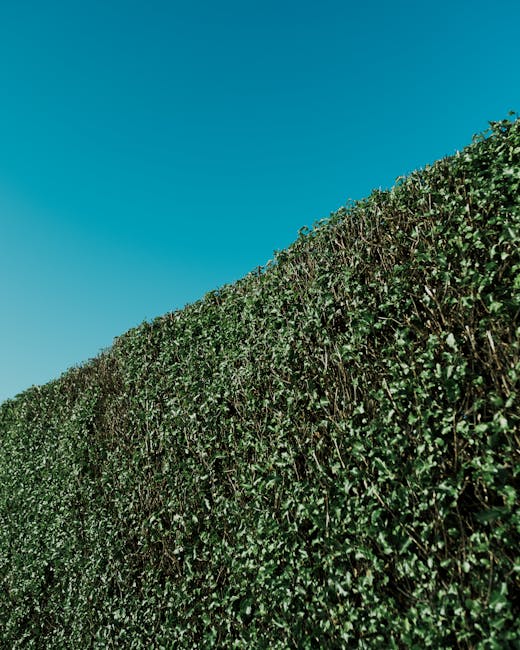
Cricklewood emergency hedge rescue case study by local gardeners
When a hedge suddenly starts leaning, splitting, blocking access, or looking half-dead after a storm, you do not always have weeks to plan. Sometimes you need a proper rescue, and quickly. This Cricklewood emergency hedge rescue case study by local gardeners looks at what fast, professional hedge intervention actually involves, why local knowledge matters, and how a damaged hedge can often be stabilised before the problem spreads through the rest of the garden.
To be fair, hedges are often treated like background features until something goes wrong. Then they become the first thing you notice every time you look out the window. In a busy London setting such as Cricklewood, a hedge problem can affect privacy, safety, kerb appeal, neighbour relations, and even access to paths or gates. This article walks through the practical side of an emergency hedge rescue, from first assessment to aftercare, with a clear focus on what local gardeners actually do on the day.
Along the way, you will also see how hedge rescue connects with longer-term garden care, wind protection, soil health, and safe trimming practices. If you are comparing help options, it may also be useful to review hedge trimming in Cricklewood, ongoing garden maintenance, and the team's broader gardening services before deciding what your garden needs next.
Table of Contents
- Why Cricklewood emergency hedge rescue case study by local gardeners Matters
- How Cricklewood emergency hedge rescue case study by local gardeners Works
- Key Benefits and Practical Advantages
- Who This Is For and When It Makes Sense
- Step-by-Step Guidance
- Expert Tips for Better Results
- Common Mistakes to Avoid
- Tools, Resources and Recommendations
- Law, Compliance, Standards, or Best Practice
- Options, Methods, or Comparison Table
- Case Study or Real-World Example
- Practical Checklist
- Conclusion
- Frequently Asked Questions
Why Cricklewood emergency hedge rescue case study by local gardeners Matters
A hedge rescue is not just about making something look neat again. In real life, it is often about preventing a small issue from becoming a much bigger one. A storm-battered hedge can expose a garden to wind, create unsafe overgrowth near a pavement, or start failing from the base because the root zone has been stressed. In a dense residential area, that can escalate quickly. Not everyone wants that sort of drama before breakfast.
Cricklewood gardens often deal with the same pressures seen across inner and outer London: gusty weather corridors, limited side access, compact plots, shared boundaries, and plants that have to do a lot of work in a small space. When a hedge fails under those conditions, a local gardener usually has to think beyond the obvious cut-and-tidy fix. They may need to assess structural damage, soil condition, drainage, hedge species, seasonal timing, and whether recovery is realistic or whether partial replacement is wiser.
This matters because hedges are living boundaries. Unlike fencing, they do not simply stay put after installation. They grow, thin out, respond to pruning, and react to weather, watering, pests, and neglect. A rescue approach respects that. It aims to preserve as much healthy growth as possible, avoid unnecessary removal, and help the hedge recover in a way that suits the site rather than forcing a one-size-fits-all solution. If the wind is a recurring issue, it can also help to read about tackling wind problems in gardens alongside this case study.
Expert summary: An emergency hedge rescue works best when it is calm, methodical, and realistic. The goal is not perfection on day one; it is stabilisation, recovery, and a sensible plan for the next six to twelve weeks.
How Cricklewood emergency hedge rescue case study by local gardeners Works
Emergency hedge rescue usually follows a practical sequence. It is fast, but not rushed. That distinction matters. A good local gardener will begin with a visible assessment, then move into safe cutting, removal of broken material, support for weak stems, and recovery advice. The details vary depending on species, hedge density, and the cause of damage, but the flow is broadly similar.
1. Initial inspection and damage check
The first job is to see what is actually wrong. Is the hedge wind-lashed, snapped, dried out, diseased, or simply overgrown and unstable? Has the base been lifted? Are there broken branches that could continue tearing? Is access blocked? A careful inspection stops you making the classic mistake of pruning too aggressively before you understand the full picture.
2. Safety-first clearing
Loose, jagged, or hanging branches are removed first. If the hedge is near a path, driveway, gate, or shared boundary, the team will usually prioritise making the area safe and walkable. This stage can feel a bit dramatic when the hedge is large and tangled, but it is really just controlled housekeeping for plants.
3. Structural pruning and rescue shaping
Once hazards are gone, the gardener trims back damaged growth to a point where the plant can recover more efficiently. With hedges, the aim is usually to preserve a clean framework and avoid leaving ragged tears. In many cases, the cut shape is chosen to let more light reach the lower sections so the hedge can thicken again.
4. Root-zone and soil attention
If the hedge has suffered from drought, compaction, or waterlogging, the problem may be underground rather than above it. A rescue may include mulching, soil loosening where appropriate, and sensible watering advice. This is one of those details people miss. The hedge can be trimmed perfectly and still struggle if the root zone is unhappy.
5. Recovery and follow-up plan
Good gardeners do not just finish the cut and disappear. They will often recommend aftercare such as watering intervals, avoiding harsh fertiliser, monitoring new growth, and delaying further heavy trimming until the hedge has shown signs of recovery. If a hedge is beyond rescue, they should explain that honestly rather than overpromising. That straightforwardness builds trust.
If the hedge rescue is part of a broader garden recovery, services like landscaping support or tree surgery may also become relevant, especially where the hedge has been shaded out by larger vegetation or affected by nearby woody growth.
Key Benefits and Practical Advantages
The best hedge rescue work gives you more than a tidier border. It can restore function, reduce risk, and buy time for a living boundary to recover properly. That is the part many people are relieved by. It is not just cosmetic.
- Faster restoration of privacy: A damaged hedge can leave your garden feeling exposed. Rescue pruning often restores usable screening much sooner than waiting for a full regrow from scratch.
- Reduced safety risk: Broken stems, overhanging growth, and unstable sections can be hazards around children, pets, and footpaths.
- Better plant survival: Targeted rescue cuts preserve healthy tissue and help the hedge recover without shock.
- Improved shape and structure: Correct reshaping can help a hedge thicken from lower down, not just on top.
- Prevention of wider garden damage: A collapsing hedge can affect borders, gates, fences, and neighbouring plants.
- More cost-effective than replacement: In many cases, rescue treatment is cheaper and less disruptive than removing and replanting the hedge entirely.
There is another quiet benefit too: peace of mind. Once the hedge is stable, the garden stops feeling like a job waiting to happen. You notice the difference in the evening light, in the view from the kitchen, even in the sound of the wind. A properly rescued hedge settles the whole space.
Who This Is For and When It Makes Sense
This kind of service is a good fit for homeowners, tenants with garden responsibility, landlords, and property managers dealing with urgent boundary problems. It is especially useful if the hedge is still alive but clearly stressed, or if recent weather has created a visible break in shape and stability.
It tends to make sense when you are facing one of the following situations:
- Storm damage has split or flattened part of the hedge.
- The hedge has been neglected and is now too wide, too tall, or top-heavy.
- The lower sections have thinned out because of shade or poor pruning history.
- There are safety concerns near a driveway, path, or shared access route.
- You need privacy restored quickly, but a full replacement is not yet necessary.
- Previous cuts were too harsh, and the hedge now needs corrective care.
Not every hedge can be rescued in the same way. A dense evergreen may respond differently from a mixed boundary or a fast-growing privacy hedge. If you are choosing a hedge type for future screening, it is worth comparing the ideas in quick-growing hedges for privacy with your site conditions, rather than selecting purely by appearance.
Truth be told, the smartest clients are often the ones who call early, not the ones who wait for the whole hedge to cave in. Early intervention almost always gives you more options.
Step-by-Step Guidance
If you are trying to understand how a local gardener handles an emergency hedge rescue, this is the practical sequence you can expect.
- Assess the hedge in daylight if possible. Look for leaning sections, exposed roots, snapped branches, and signs of stress such as browning, sparse growth, or hollow patches.
- Check immediate risks. Is the hedge touching a path, blocking a gate, or threatening a fence? If yes, safety comes first.
- Decide whether rescue or replacement is the right aim. If the hedge still has enough live material, rescue may be sensible. If not, a phased removal plan may be more realistic.
- Carry out selective cutting. Remove dead, broken, and clearly damaged growth first. Shape only as much as needed to stabilise the structure.
- Protect the base. Clear debris, mulch if appropriate, and avoid disturbing roots unless there is a clear reason.
- Water and monitor. A stressed hedge usually needs steady aftercare, not overfeeding or repeated hard cutting.
- Review in a few weeks. New shoots, improved firmness, and better colour are all good signs. If decline continues, reassess.
A small but useful detail: hedge rescue is often easier after the immediate weather event has passed and the branches have dried slightly. If you cut too aggressively while the plant is saturated and brittle, you can cause more tearing. It is a little thing, but it matters.
Expert Tips for Better Results
Here are the practical habits that tend to separate a decent rescue from a genuinely good one.
- Work from the inside out. Clear damaged structure before worrying about the perfect silhouette.
- Use the hedge's natural growth habit. Some hedges like a tapered profile; others need more restrained side reduction.
- Do not strip all green growth. A hedge usually needs enough leaf area to keep photosynthesising and recover.
- Trim in stages where needed. For very neglected hedges, a phased rescue is safer than one drastic cut.
- Watch for hidden issues. Repeated failure in one spot may indicate compacted soil, root disturbance, or shade from another plant.
- Keep tools sharp and clean. Ragged cuts heal more slowly. That is basic, but people still overlook it.
If you like getting hands-on, it is worth looking at the essential gardening tools guide before attempting light maintenance yourself. And if you want to understand how expert finishing looks, artistic hedge trimming techniques is a useful companion piece.
One more thing: do not chase perfection on the first visit. A rescued hedge that looks a bit untidy for a week is still better than a hedge that has been overcut into a bare, panicked shape. Let's face it, plants do not care about our desire for instant neatness.
Common Mistakes to Avoid
Most hedge rescue mistakes come from urgency. That is understandable. You look outside, see a mess, and want to fix it all now. But haste can create a second problem, and sometimes a worse one.
- Cutting too hard at the first attempt. Removing too much live growth can shock the hedge and slow recovery.
- Ignoring the base. A hedge can look fine at eye level while failing from the root zone upwards.
- Using the wrong timing. Heavy rescue pruning in the wrong season can reduce regrowth or expose tender cuts to stress.
- Leaving torn branches. These can keep splitting and cause further damage in the next wind event.
- Overwatering or overfeeding after stress. More is not always better. Stressed hedges usually need steady, sensible care.
- Assuming every hedge can be forced back into shape. Some plants recover well; others need a more realistic partial renewal plan.
Another common issue is treating a hedge like a fence panel. It is not a static object. It is living material with a growth pattern. Once you accept that, your decisions get better very quickly.
Tools, Resources and Recommendations
For emergency hedge rescue, the right tools make the work cleaner, safer, and less stressful for the plant. You do not need a van full of specialist kit for every job, but a sensible toolkit helps a lot.
| Tool or Resource | Best Use | Why It Helps |
|---|---|---|
| Hand secateurs | Small stems and precise cuts | Good for selective rescue work without overcutting |
| Hedge trimmer | Shaping and bulk reduction | Speeds up larger hedge recovery jobs |
| Loppers | Thicker branches | Useful where stems are too tough for secateurs |
| Gloves and eye protection | Personal safety | Protects against thorns, debris, and snapping twigs |
| Mulch or compost | Root-zone recovery | Supports soil moisture and soil condition when used correctly |
| Garden waste bags or collection plan | Clear-up | Keeps the site tidy and reduces slipping hazards |
For ongoing support after an emergency, many households benefit from seasonal maintenance rather than waiting for the next problem. If your hedge is part of a wider garden that needs attention, lawn care, lawn mowing, and patio cleaning can help reset the space so the hedge stands out for the right reasons again.
You can also use the site's pricing and quotes information to understand how jobs are typically approached before booking. And if you want to know more about the people behind the work, the about us page is the obvious next stop.
Law, Compliance, Standards, or Best Practice
For hedge work in the UK, the main thing is to act carefully, respectfully, and safely. If a hedge borders a public footway, road, or shared boundary, you should avoid creating obstruction or leaving cut material where it could cause a trip hazard. That is just basic common sense, but it matters. If the hedge is very close to shared property lines, you also want clear communication with neighbours before major work begins.
Professional gardeners will usually work with sensible health and safety habits: proper tools, appropriate personal protective equipment, stable footing, and a clear plan for debris removal. Where taller hedges or awkward access are involved, additional precautions may be needed. The exact method depends on the site, and that is why a quick visual assessment is so valuable before anyone starts cutting.
It is also good practice to consider wildlife and nesting activity during hedge work. In simple terms: if there is any sign that a hedge is hosting birds or other wildlife, a cautious, delayed approach may be needed. Responsible gardeners balance urgency with care. That is the standard worth aiming for.
For readers who want more detail on safety and working practices, the site's health and safety policy, insurance and safety, terms and conditions, payment and security, and complaints procedure pages help build a fuller picture of how the service is run.
Options, Methods, or Comparison Table
Not every hedge problem needs the same response. Sometimes rescue is enough. Sometimes you need a staged recovery. Sometimes replacement is the sensible choice, even if it is not the answer you hoped for. Here is a simple comparison.
| Approach | Best For | Pros | Trade-offs |
|---|---|---|---|
| Light rescue trim | Minor storm damage or uneven growth | Fast, low disruption, preserves most of the hedge | May not solve deeper structural issues |
| Phased rescue over time | Heavily overgrown or stressed hedges | Safer for the plant, more controlled recovery | Takes longer and needs follow-up |
| Full reduction and reshape | Large but still healthy hedges | Improves long-term manageability | Can temporarily reduce screening |
| Partial replacement | Sections that have died back badly | Targets only the worst areas | Matching new growth to old growth can take patience |
| Full removal and replanting | Hedges with severe dieback or failure | Fresh start, simpler long-term structure | Most disruptive and slowest to restore privacy |
In practice, many jobs start with rescue and end with a mixed plan. That is normal. Gardening rarely behaves like a neat textbook diagram, and honestly, that is part of the job.
Case Study or Real-World Example
Here is a realistic example based on the sort of situation local gardeners often see in Cricklewood.
After a spell of strong wind, a mature hedge along the rear boundary of a narrow garden had folded outward in one section and looked patchy at the base. The owner was worried the whole thing would fail, especially because the hedge screened a shared outdoor area and backed onto a walkway. The immediate problem was obvious: broken stems, a messy outline, and a loss of privacy. The less obvious issue was that the hedge had become top-heavy over time, so the storm had simply exposed a weakness that was already there.
The gardeners began with a careful inspection rather than a heavy trim. They removed damaged growth, reduced the most unstable sections, and reshaped the hedge to a slightly narrower profile so it would catch less wind. They also cleared debris from the base, checked for compacted soil, and recommended light watering over the following days rather than a big burst of feed. The owner was advised to leave the hedge alone for a short recovery period before any further shaping.
The useful part of this example is not that it looked flawless immediately after the visit. It did not. There were still some visible cut points and a slightly uneven texture. But the hedge was safe, upright, and on a realistic path back to health. The garden stopped feeling vulnerable. That is the real outcome people want.
If you have ever stood by a window after a windy night and thought, "Well, that is not great," you will understand the mood. A quick response, grounded in actual plant care, can save a lot of worry.
Practical Checklist
Use this checklist if you are deciding whether your hedge needs emergency help.
- Is the hedge leaning, split, or partly collapsed?
- Are there broken stems hanging loose or blocking access?
- Has the hedge lost privacy in a key area?
- Do you see browning, dieback, or thinning at the base?
- Has recent wind, frost, or drought made the problem worse?
- Is the hedge near a path, gate, fence, or shared boundary?
- Do you know whether the hedge still has enough healthy growth to recover?
- Have you checked whether the issue is actually in the soil or roots?
- Do you need a quick tidy, or a staged recovery plan?
- Have you asked for aftercare advice so the issue does not return?
Quick takeaway: if the hedge is still alive but unstable, rescue is often worth trying. If there is widespread dieback, repeated collapse, or major root disturbance, a more conservative plan may be the better call.
Conclusion
A well-handled hedge rescue is part gardening, part judgement, and part timing. In Cricklewood, where gardens often have limited space and plenty of exposure to wind, the difference between a rushed trim and a thoughtful rescue can be huge. The right local gardeners will look at the whole picture: the plant, the soil, the weather, the access, and the long-term shape of the boundary.
The main lesson from this Cricklewood emergency hedge rescue case study by local gardeners is simple enough. Act early, cut carefully, and think beyond appearances. A hedge that is rescued properly can keep doing its job for years, while a hedge that is hacked back in panic may take far longer to recover. Small decisions now tend to pay off later, and that is usually how the best gardens are made.
If your hedge is showing signs of stress and you want a calm, local opinion before the problem gets bigger, it is worth speaking to a team that understands both the plant and the neighbourhood context.
Get a free quote today and see how much you can save.
Frequently Asked Questions
What counts as an emergency hedge rescue?
An emergency hedge rescue usually means the hedge has been damaged enough to create safety issues, blocked access, major privacy loss, or a risk of further collapse. It is more urgent than routine trimming because the hedge is unstable or clearly under stress.
Can a damaged hedge really recover after storm damage?
Often, yes. If enough healthy growth remains and the root zone is still sound, many hedges can recover with careful pruning and follow-up care. The key is not to strip too much live material too quickly.
How do local gardeners decide whether to rescue or replace a hedge?
They usually look at live growth, structural stability, root condition, species type, and how much of the hedge has died back. If the hedge still has a strong framework, rescue is often sensible. If not, replacement may be the more honest option.
Is emergency hedge rescue more expensive than normal trimming?
It can be, because the work is more involved and often includes safety clearance, selective repair, and more careful assessment. That said, rescue is still often cheaper than full removal and replanting.
How quickly should I act after hedge damage?
As soon as the hedge is safe to inspect. Leaving broken growth in place can cause further tearing, especially if more wind or rain arrives. Early action usually gives better results.
Will the hedge look neat straight away?
Not always. A good rescue prioritises plant health and stability first. The hedge may look a bit uneven at first, then settle into a better shape as it regrows.
Can I do emergency hedge rescue myself?
For light damage, perhaps. But if the hedge is tall, unstable, near a boundary, or badly split, it is safer to get professional help. Hedge work can be awkward, and it is very easy to overcut when you are anxious.
What should I do before the gardeners arrive?
Clear access if you can, keep children and pets away from the damaged area, and note any obvious hazards such as hanging branches or exposed roots. If possible, take a quick look from a safe distance and describe what changed after the storm or damage event.
What aftercare does a rescued hedge usually need?
Usually a period of steady watering if the soil is dry, no harsh extra pruning, and close monitoring for fresh growth or further dieback. In some cases, mulching or soil improvement may help too.
Does hedge rescue help with privacy right away?
Usually yes, at least partially. Even if the hedge needs time to recover, selective cutting and reshaping can often restore much of the screening value immediately.
Are there any safety or legal issues with hedge work in London gardens?
The main issues are keeping paths clear, avoiding hazards near shared boundaries, working safely with tools, and being considerate of neighbours and wildlife. If a hedge borders a public area or access route, careful management is especially important.
What if my hedge keeps failing in the same spot?
That usually points to a deeper issue such as poor drainage, root disturbance, shade, wind exposure, or soil compaction. In that case, the hedge may need more than repeated trimming. A local gardener should be able to help diagnose it properly.
Sometimes the best garden repairs are the quiet ones. A hedge rescued on time does not shout about it, but the whole space feels better for it, and that is a lovely thing to walk past every day.