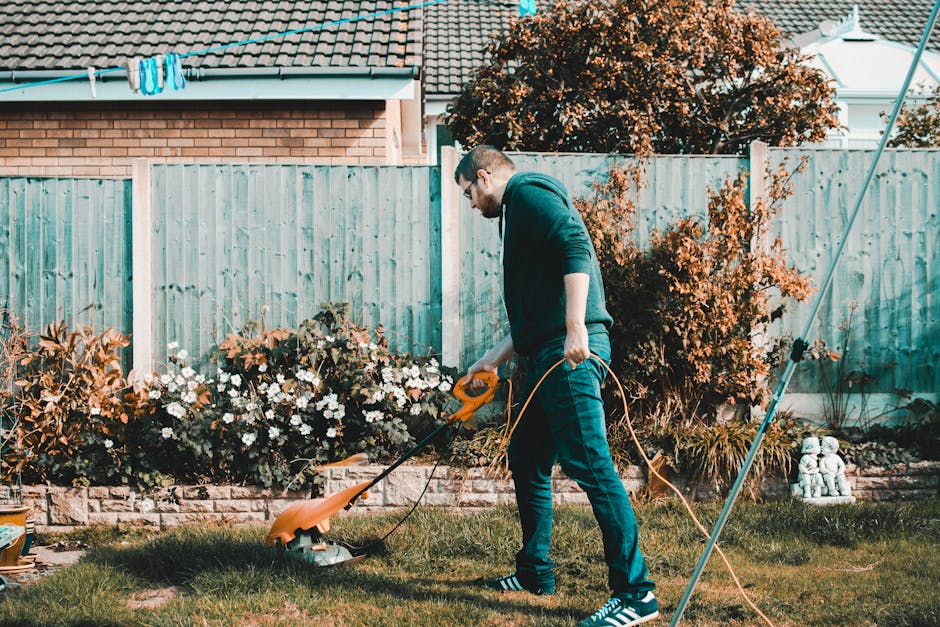
Avoid hidden garden maintenance charges in Cricklewood: a practical guide to clear, fair pricing
If you have ever agreed to garden work and then felt blindsided by extra line items, you are not alone. Hidden charges can turn a simple tidy-up into a stressful bill, especially when the garden has a few surprises tucked away under the hedges. This guide explains how to avoid hidden garden maintenance charges in Cricklewood without making the process awkward or complicated. You will learn what to ask, what to check, which terms usually cause trouble, and how to spot a fair quote before any work begins.
Cricklewood gardens are often compact, varied, and a bit unpredictable. One week it is a straightforward lawn cut, the next it is ivy, boundary overgrowth, slippery paving, and a compost heap that has become a small ecosystem. That is exactly why clarity matters. A good gardener should be able to explain what is included, what costs extra, and why.
Good pricing is not just about getting the cheapest number. It is about knowing what that number really covers.
Table of Contents
- Why avoiding hidden garden maintenance charges matters
- How transparent garden pricing works
- Key benefits and practical advantages
- Who this is for and when it makes sense
- Step-by-step guidance
- Expert tips for better results
- Common mistakes to avoid
- Tools, resources and recommendations
- Law, compliance, standards and best practice
- Options, methods and comparison table
- Case study or real-world example
- Practical checklist
- Conclusion
- Frequently Asked Questions
Why avoiding hidden garden maintenance charges in Cricklewood matters
Garden maintenance should feel straightforward. You ask for the work, you get a clear quote, and the job gets done. In reality, things get messy when quotes are vague. A gardener might say "garden tidy," but does that include removing waste, trimming the hedge, clearing the side return, or dealing with stubborn weeds? Sometimes yes. Sometimes not. And sometimes the answer changes once the crew arrives and sees the space.
That matters because garden work is often seasonal and practical rather than decorative. If you are booking a one-off visit after winter, or trying to get on top of a neglected plot before summer, you need certainty. You do not want to approve a visit based on a neat price only to find out later that access issues, green waste, fuel, disposal, or specialist tools were never included.
To be fair, not every extra fee is a "hidden" charge. Sometimes a quote is just incomplete because the scope was not defined properly. But from your side, the result is the same: an unexpected bill and a slightly sour taste. That is why transparent pricing, written scope, and a few smart questions make all the difference.
There is also a trust angle. A clear quote tells you something about the provider's working style. If they are precise about labour, materials, disposal, and call-out costs, they are usually more organised on site as well. That does not guarantee perfection, obviously, but it is a strong sign.
If you are comparing services in the area, it can help to review the provider's pricing and quotes information alongside the main garden maintenance service details so you can see how the work is framed before you commit.
How transparent garden pricing works
Transparent garden pricing starts with a clear scope. That means the gardener should know what the job involves before they give you a price. For example, mowing a small lawn is one thing; mowing, edging, removing clippings, pruning a shrub border, and taking waste away is another. The more complete the brief, the more reliable the quote.
In practice, a sensible quote usually breaks down the job into understandable parts. You might see labour, materials, waste removal, access considerations, and any specialist tasks listed separately or explained in plain language. Some providers prefer fixed-price quotes for well-defined jobs. Others use estimates for work that depends on what they find on arrival. Both can be fair, but only if they explain the difference.
Here is the simple version:
- Fixed quote: A set price for a clearly defined scope.
- Estimate: A likely cost that may change if the job expands or conditions are different from what was described.
- Extras: Additional work outside the original scope, ideally agreed before it starts.
The best providers do not hide behind jargon. They explain what is included, what may add cost, and what would trigger a price change. If something is unclear, ask. A decent company will not mind. In fact, they should welcome it.
For some tasks, pricing can also depend on specialised services. A hedge that has grown wild may need proper shaping or, in a more serious case, a dedicated hedge trimming service in Cricklewood. Likewise, if you are dealing with worn surfaces or a build-up of grime outside, a separate patio cleaning visit may make more sense than bundling it into general maintenance.
Key benefits and practical advantages
When pricing is clear, everything becomes easier. You can compare like with like, budget properly, and avoid those annoying little surprises that make a job feel more expensive than it should have been. A lot of homeowners in Cricklewood are busy. They do not have time to decode a quote word by word, and honestly, they should not have to.
Benefits of clear garden maintenance pricing include:
- Better budgeting: You know what you are paying before the work starts.
- Cleaner comparisons: Two quotes can only be compared properly if the scope matches.
- Fewer disputes: Written details reduce awkward conversations later.
- More confidence: You can approve work without second-guessing every line.
- Smarter planning: You can decide whether to split jobs across visits or combine them.
There is another advantage people sometimes overlook: transparent pricing often leads to better garden decisions. If you can see the cost of mowing separately from hedge work or waste removal, you may choose low-maintenance planting, seasonal pruning, or a simpler schedule. That can save money over time without making the garden look neglected.
For example, a tidy border with ground cover can be easier to maintain than a constantly weedy patch of bare soil. If you are looking for inspiration, the article on fantastic ground cover plants is useful for reducing long-term maintenance pressure. Likewise, the post on affordable low-maintenance garden solutions can help you make smarter choices if you are trying to keep recurring charges down.
Who this is for and when it makes sense
This advice is useful for almost anyone paying for garden work in Cricklewood, but it is especially relevant if you recognise one of these situations:
- You are booking a first visit and do not yet know how the garden will be assessed.
- Your garden has not been maintained for a while, so there may be hidden work behind the obvious mess.
- You need ongoing maintenance and want a predictable monthly or seasonal budget.
- You are comparing several providers and the quotes look similar at first glance.
- You have had a bad experience before and do not want a repeat performance. Fair enough.
It also makes sense if you are managing a rental property, preparing a home for sale, or coordinating garden work for an older relative. In those cases, the scope can change quickly because access, waste, and urgency all influence the price.
Some jobs are more likely to carry extras than others. Ivy removal, heavy hedge cutting, fallen branches, and overgrown boundaries often need more labour than a quick trim. If the job has that "looks simple until you start" quality, ask for a more detailed breakdown before agreeing anything.
If the garden needs a broader refresh rather than just routine care, you may also want to look at turning a neglected garden into a flourishing retreat for ideas on how to phase work sensibly and avoid paying for everything at once.
Step-by-step guidance
Here is a straightforward way to protect your budget and reduce the chance of surprise charges.
- Describe the garden honestly. Mention slope, access, waste build-up, broken paving, heavy shrubs, locked side gates, and anything else that could affect labour. The cleaner the brief, the better the quote.
- Ask what is included. Do not assume clippings removal, edging, pruning, or disposal are part of the base price. Ask directly, even if it feels a bit obvious. It is better than guessing.
- Request a written quote. A written quote should show the agreed scope and any exclusions. If the provider only gives a casual number over the phone, that is a flag worth noticing.
- Check how extras are approved. Good practice is to agree any additional work before it starts. If the gardener finds something unexpected, they should explain the issue and get your consent.
- Compare scope, not just price. One quote may include waste removal, while another does not. On paper, the cheaper one may be more expensive in reality.
- Confirm timing and access. Missed appointments, locked access, or delayed arrival can sometimes generate admin charges or repeated call-outs. Small detail, big annoyance.
- Keep records. Save the quote, messages, and any agreed changes. If there is ever a dispute, written notes help a lot.
A good rule: if you would hesitate to pay an extra amount without another conversation, then the work was probably not clearly defined enough. Simple, but useful.
It can also help to ask what tools and equipment are being brought for the visit. Some jobs benefit from professional-grade equipment, and the article on top gardening tools for every enthusiast's kit gives a nice sense of what proper preparation looks like. For hedge-heavy properties, hedge trimming in Cricklewood is often best treated as a defined task rather than a vague add-on.
Expert tips for better results
After enough garden visits, a pattern becomes obvious: the people who avoid pricing issues are usually the ones who ask the right questions early. Not ten dramatic questions. Just the right ones.
- Ask for exclusions up front. If a quote includes "general tidy," ask what that specifically excludes. Fences, sheds, trellises, and hard-to-reach corners are common grey areas.
- Watch for vague wording. Phrases like "from," "subject to inspection," or "additional charges may apply" are not bad in themselves, but they should be explained clearly.
- Match the quote to the season. Spring growth, autumn leaf fall, and winter pruning are all different beasts. A quote for one season may not suit another.
- Group tasks wisely. If the team is already on site, it may be cheaper to combine compatible tasks. But only if that bundle is genuinely cheaper, not just packaged that way.
- Plan maintenance instead of rescue jobs. Regular visits are usually easier to price than emergency catch-up work. There is less drama, less waste, less guesswork.
A small practical example: if you know the hedge will need work soon, do not leave it until it is hanging over the path and blocking access. Once it becomes a safety or access issue, the job may require more time and disposal. That is not a hidden charge as such, but it can still feel like one.
If you are keen to reduce repeat visits and keep your garden easier to manage, the guidance on effective weed control and reviving soil health with organic waste transformation is a sensible place to start. Healthy soil and fewer weeds usually mean fewer expensive surprises. Funny how that works.
Common mistakes to avoid
Most billing problems happen because one of three things went wrong: the scope was unclear, the assumptions were different, or no one wrote anything down. That is the boring truth.
- Choosing the lowest quote without reading the details. A cheap headline price can hide a pile of extra costs underneath.
- Assuming waste removal is included. Green waste collection is one of the most common add-ons in garden work.
- Not asking about access issues. Narrow side entries, long carry distances, or awkward parking can change the labour involved.
- Forgetting about specialist jobs. Tree work, stubborn ivy, or damaged fencing may require separate assessment.
- Agreeing to extra work casually on site. If it was not written down or confirmed clearly, it is easy for the final bill to drift upward.
- Skipping provider background checks. You do not need to be suspicious, just sensible. Look for clear policies and professional standards.
A lot of frustration can be avoided by reading the company's supporting information as well as the quote itself. For example, reviewing terms and conditions, payment and security, and complaints procedure helps you understand how disputes, deposits, and payment timing are handled.
And yes, it can feel a bit tedious. But tedious is cheaper than unexpected. Every time.
Tools, resources and recommendations
You do not need a van full of equipment to keep costs under control, but a few simple resources make a big difference.
- A site note or checklist: Use it to record hedge lengths, problem areas, access points, and anything fragile.
- Photos before the visit: Handy for remote quoting and for showing how much growth or debris is present.
- A quote comparison sheet: List each provider's scope, waste removal, frequency, and extras. Old-fashioned, but effective.
- Seasonal garden plan: Helps you separate urgent work from tasks that can wait until the next visit.
- Basic garden tools: A few decent tools can reduce the need for frequent call-outs. The article on top gardening tools for every enthusiast's kit is a good reminder that maintenance becomes easier when you keep on top of small jobs.
If your garden has a lot of planting and you want to reduce ongoing upkeep, the posts on a lush herb garden, growing plants in pots, and vertical gardening innovations may help you design for simplicity rather than constant intervention.
For properties with shade, wind exposure, or boundary privacy issues, you might also find the guidance on tackling wind problems in gardens and quick-growing hedges helpful. Better planting choices often mean lower maintenance later on. Which, frankly, is the point.
Law, compliance, standards and best practice
Garden maintenance is not usually a heavily regulated service in the way some trades are, but best practice still matters. Providers should work safely, communicate clearly, and handle customer data and payments responsibly. In the UK, a professional approach also means being careful around property access, waste handling, ladders, tools, and any work that could affect neighbours or passers-by.
From a homeowner's point of view, the practical standards to look for are simple:
- Clear quotes: You should know what is included and what is not.
- Safe working methods: Especially where cutting tools, height, or slippery surfaces are involved.
- Reasonable communication: Any change to scope should be discussed before work continues.
- Fair payment handling: Deposits, invoicing, and payment timing should be explained plainly.
- Transparent complaints process: If something goes wrong, you should know how to raise it.
It is also sensible to review a provider's support pages where available. For example, insurance and safety should help you understand how risk is managed, while health and safety policy gives a better feel for working practices. If environmental handling matters to you, the article on reducing your carbon footprint through gardening may also be useful context for choosing lower-waste maintenance methods.
For certain tasks, specialist services may be more appropriate than general maintenance. Tree-related work, for example, is best discussed separately through tree surgery. Boundary and access issues may point toward fencing, while larger redesigns may fall under landscaping. The key is not to let one bucket of work quietly absorb another without agreement.
Options, methods and comparison table
Different pricing approaches suit different jobs. Here is a simple comparison to help you decide what kind of quote makes the most sense for your situation.
| Pricing method | Best for | Pros | Watch-outs |
|---|---|---|---|
| Fixed quote | Clear, well-scoped jobs | Predictable, easy to budget, simple to approve | Can exclude extras if scope is not written carefully |
| Estimate | Jobs with unknowns or variable growth | Useful when the garden has not been inspected fully | Final cost may move if conditions are different |
| Task-by-task pricing | Mixed gardens with several separate jobs | Great for comparison and phased work | Can become expensive if every small task is added separately |
| Maintenance plan | Regular ongoing care | Often smoother budgeting and less catch-up work | Needs a clear visit frequency and scope to stay fair |
In many real-world cases, a mixed approach works best. You might use a fixed quote for lawn mowing, task pricing for hedge work, and a separate agreed rate for one-off waste removal. That is not complicated once it is written down properly.
If your garden includes a lawn that needs regular attention, the dedicated lawn mowing and lawn care services may be easier to budget for than folding everything into a vague monthly tidy.
Case study or real-world example
A homeowner in Cricklewood booked what sounded like a straightforward spring tidy. The garden had an overgrown back border, a small lawn, a side path with weeds, and a hedge that had grown out wider than expected. The first quote looked fine at a glance, but it did not clearly say whether waste removal, hedge clippings, and path clearing were included.
Before agreeing, the homeowner asked three questions: What exactly counts as the tidy? Is waste removal included? And what happens if the hedge turns out to need more work than expected? That conversation changed everything. The gardener explained the scope clearly, separated the hedge work from the general tidy, and confirmed the disposal cost in advance.
The result was not a miracle; it was just a better process. The final bill matched the written agreement. No awkward surprise, no "we thought that was extra," no back-and-forth at the door. The garden looked far better, and the homeowner knew exactly where the money had gone.
That is the real win here. Not paying less for the sake of it. Paying with confidence.
In some cases, the garden may need a full reset rather than routine care. If you are dealing with something messy and a bit intimidating, the article on turning a neglected garden into a flourishing retreat is a helpful reminder that larger jobs can still be managed in stages, which often keeps costs clearer and more controllable.
Practical checklist
Use this checklist before you accept any garden maintenance quote in Cricklewood.
- Have I described the garden accurately, including access and waste?
- Do I know exactly what the quoted price includes?
- Have I asked whether clippings, green waste, and disposal are extra?
- Do I understand whether the quote is fixed or only an estimate?
- Have I checked how additional work will be approved?
- Have I compared at least two quotes on a like-for-like basis?
- Have I read the relevant terms and payment information?
- Do I know who to speak to if the scope changes on the day?
- Have I kept a copy of the quote and any messages confirming changes?
- Does the plan feel clear enough that I would be comfortable paying it?
If you can tick most of these off, you are already ahead of the game. A lot ahead, actually.
Conclusion
Hidden garden maintenance charges are usually not hidden for long once you know what to look for. Clear scope, written quotes, sensible questions, and a bit of planning go a long way. In Cricklewood, where gardens can range from neat city plots to surprisingly tangled outdoor spaces, that clarity protects both your budget and your peace of mind.
Think of it this way: the best gardening service does not just make your garden look better. It makes the whole process feel easy to understand. That is what you should be aiming for. If a quote is simple, specific, and honest about extras, you are probably in good hands.
Get a free quote today and see how much you can save.
When you are ready to take the next step, choose the approach that gives you confidence first and a nice-looking garden second. Usually, the two go hand in hand.
Frequently Asked Questions
What counts as a hidden garden maintenance charge?
A hidden charge is any extra cost that was not clearly explained before work started. Common examples include waste removal, extra labour for overgrowth, difficult access, or specialist tools that were never discussed.
How can I tell if a garden quote is fair?
A fair quote is specific. It should explain the tasks included, whether waste disposal is covered, and whether the price is fixed or only an estimate. If the wording is vague, ask for more detail.
Should garden maintenance always include waste removal?
Not always. Some providers include it, while others list it separately. Because of that, it is worth asking directly rather than assuming the clippings and debris will be taken away for free.
What questions should I ask before booking garden work in Cricklewood?
Ask what is included, what is excluded, how extras are approved, whether the price is fixed, and whether disposal costs are separate. Those five questions catch most of the awkward surprises.
Is a cheap garden quote usually a bad sign?
Not necessarily, but it deserves a closer look. A low headline price can be genuine, yet it can also leave out important details. Always compare the scope, not just the number.
Can I avoid surprise charges with one-off garden visits?
Yes, mostly. The trick is to describe the garden clearly, agree the scope in writing, and confirm how any additional work will be handled before the team arrives.
What if the gardener finds more work than expected?
They should explain the issue, give you an updated price if needed, and get your approval before continuing. Extra work should be agreed, not quietly added on later.
Are maintenance plans better than one-off visits?
For many gardens, regular maintenance plans are easier to budget for and less likely to produce big surprise bills. One-off visits still make sense, but only when the scope is tightly defined.
Do I need to read terms and conditions for garden work?
Yes, especially if the quote mentions deposits, cancellations, additional labour, or payment timing. A quick read can save a lot of confusion later.
How do I compare two garden maintenance quotes properly?
Put them side by side and compare what each one includes: labour, waste removal, edging, hedge trimming, access assumptions, and extra charges. A slightly higher quote may actually be better value if it covers more.
What is the safest way to deal with unclear pricing?
Ask for clarification before any work starts. If the answer is still vague, walk away. Clear pricing is a normal expectation, not a special favour.
Where can I get help with regular garden upkeep in Cricklewood?
If you want support with ongoing care, start with the main gardening services and explore the relevant service pages from there. It is often easier to choose a clear service than to build a job from guesswork.